Codex reset its quotas again this morning and dropped the five-hour limit. Claude immediately extended Fable access through the 17th. When vendors fight, users win—don’t miss the window.
Claude Fable and GPT-5.6 have arrived back to back, followed by repeated quota resets. How do you turn a fleeting Coding Plan windfall into real output? Here is my playbook for model specialization, adversarial review, spec-driven design, closed-loop verification, context management, and one person leading a crew of AIs.
Coding Plans remain one of the best opportunities in the AI era: a subscription can unlock compute worth many times its price, but that window is already narrowing.
When my $200 Claude Code Max subscription expired, I canceled it and moved my primary workflow to Codex. The only way to know which one is better is to put it to work.
The biggest AI arbitrage available to ordinary users is not some obscure token play. It is the heavily subsidized max-tier subscription plans from frontier model vendors, provided you can convert that quota into real output.
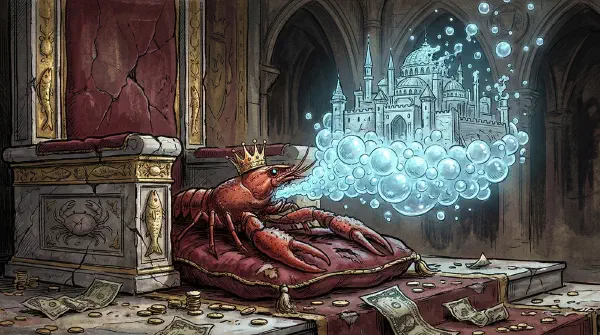
OpenClaw looks exciting because it turns agents into a chat-style experience. But the real productivity gains come from high-capability subscription agents and disciplined workflows, not from lobster-flavored wrappers.
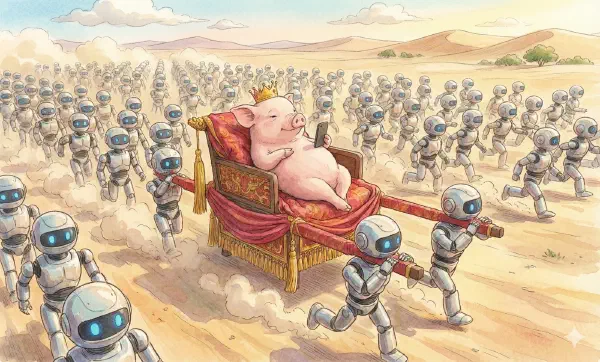
Over roughly ten days during Spring Festival, I used Claude Code, Codex, and a pile of workflows to translate books, ship releases, package software, refresh websites, and keep publishing daily. This is what solo output looks like when agent leverage really lands.
Codex 5.3 xHigh pushed my workflow past a tipping point: writing code is no longer the scarce resource. The real leverage is design quality and engineering acceptance. This is the practical loop I use to ship reliable software with AI agents.